Food Plant Security Guards in Sioux Falls, SD — Armed or Unarmed?
QUICK ANSWER
SMP Security, a Sioux Falls, SD commercial
security company with 70+ years serving the Sioux Empire, provides both armed and unarmed food plant security guards. For most food manufacturers in South Dakota, unarmed guards —
starting at $25/hour
— meet compliance needs when paired with TrackTik patrol reporting. Armed guards are appropriate where perimeter risk is elevated, unauthorized entry could cause contamination liability, or FDA-regulated zones require a stronger deterrent. The right choice depends on your facility layout, shift schedule, and audit documentation requirements — SMP will assess and recommend at no cost.
Your overnight shift ends at 5 a.m. Between 4:00 and 4:30, your facility is operating at minimum staffing — three production employees, one maintenance tech, and no security presence at the loading dock. That 30-minute window is when most unauthorized access events happen at food manufacturing facilities. The question isn't whether to have food plant security guards in Sioux Falls, SD — it's what type you need, where you need them, and what their deployment says about your FDA audit readiness.
The armed vs. unarmed decision is one of the most consequential security choices a plant manager makes — and it's rarely explained in terms that matter to food production operations. Most security companies give you a rate sheet. What you actually need is a framework for the decision.
SMP Security has served food and industrial facilities in the Sioux Falls area for more than 70 years. This guide is built around the realities of food plant operations in South Dakota — FSMA compliance requirements, FDA inspection readiness, shift-change vulnerabilities, and contamination liability — not generic business security advice.
Not sure which guard type
fits your facility?
Get a free food plant security quote in Sioux Falls — SMP will recommend coverage based on your layout and compliance requirements. (605) 334-9357 or smpsecurity.com/contact
When Armed Guards Are Right for Food Facilities
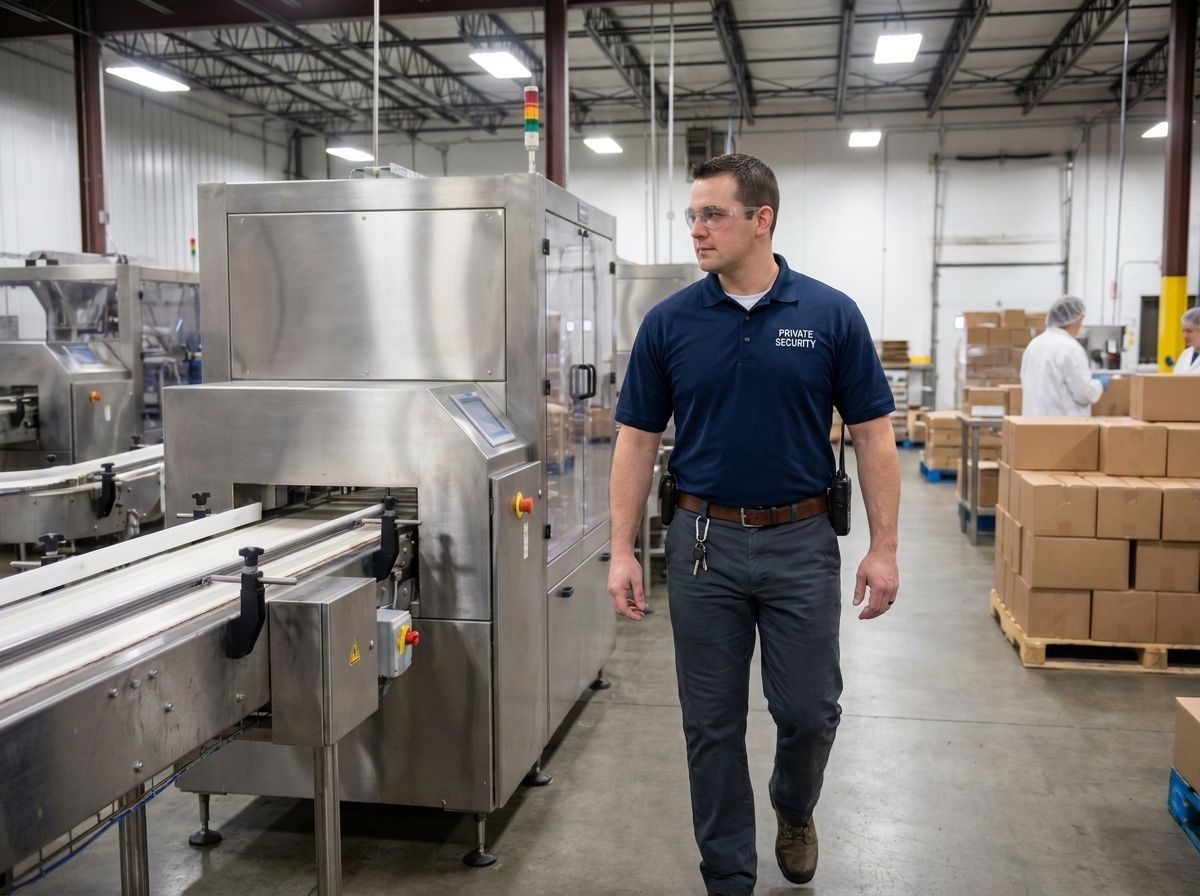
Armed guards are not the default answer for food plants — but they are the right answer in specific scenarios. In Sioux Falls and across the Sioux Falls food production corridor, there are three conditions that consistently justify armed deployment.
The first is elevated perimeter risk. Facilities located near highway access points, with multiple unmonitored entry routes, or with a documented history of unauthorized access warrant armed presence at perimeter positions. The deterrent effect of visible armed guarding at shift-change entry points is measurable — it changes the risk calculation for anyone considering unauthorized entry.
The second is protection of high-value or regulated inventory. Cannabis-adjacent facilities, pharmaceutical distribution, and operations handling controlled or high-value ingredients face a different threat profile than a standard food packaging line. Armed guards close that gap at access control checkpoints.
The third is multi-shift operations with limited supervisory coverage. If your facility runs 24 hours with reduced staffing between 2 and 6 a.m., armed presence during those windows addresses the elevated risk window directly. TrackTik patrol logs document every checkpoint — which matters if an incident occurs during low-staffing periods and your insurer or an FDA auditor asks for a timeline.
South Dakota has no mandatory licensing requirement for security companies — a fact that makes training standards the real differentiator. SMP maintains internal armed guard training that exceeds state requirements regardless, specifically because food facility clients need documentation they can show an auditor.
When Unarmed Guards Are the Better Fit
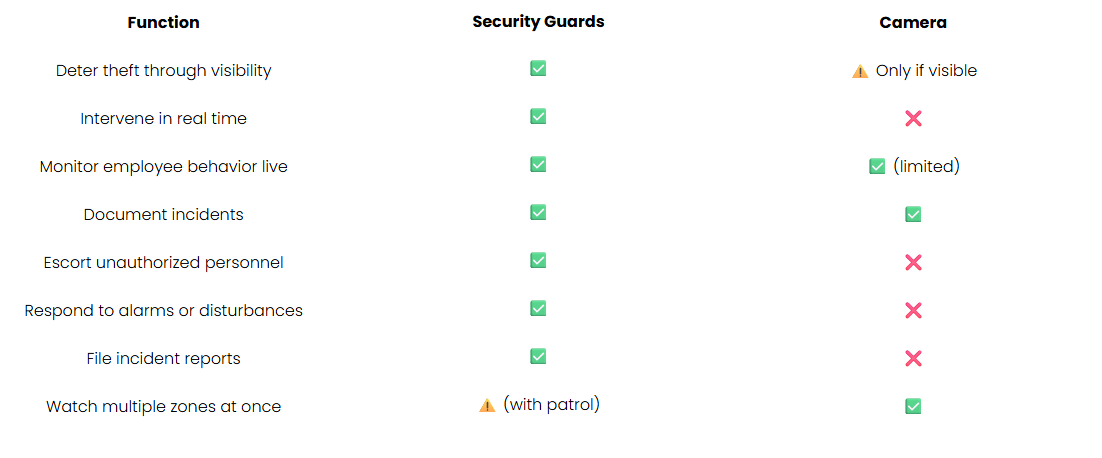
The majority of food manufacturing and packaging facilities in Sioux Falls operate effectively with unarmed guards — and unarmed doesn't mean less rigorous. Starting at $25/hour with a four-hour shift minimum, unarmed food plant security guards provide the documentation, access control, and shift-change coverage that most FDA compliance programs require.
Unarmed guards are appropriate when your primary security need is controlled access documentation, perimeter monitoring during operating hours, and a visible deterrent to opportunistic unauthorized entry. In most food plant environments, the compliance value of a consistently present, well-trained guard with proper TrackTik logging is indistinguishable from armed coverage — because the FDA doesn't audit guard type, it audits the documentation and access control record.
Facilities that are well-lit, single-entry, or operate primarily during daylight hours with active supervisory coverage rarely need armed deployment. The cost difference is significant, and for facilities under cost pressure from ingredient inflation and labor markets, unarmed coverage paired with mobile patrol rounds and virtual guarding fills the coverage footprint at a fraction of full armed staffing.
SMP's unarmed guards undergo the same internal training protocol and use the same TrackTik system as armed personnel — the audit documentation is equally defensible.
How Guard Type Affects Your FDA Audit Trail
Criteria
Access zone control
FDA audit trail
Contamination liability
Shift-change vulnerability
Cost profile
SD licensing context
Armed Guard
High-value — deters forced entry into restricted production areas
Full incident logs via TrackTik; armed deployment noted in compliance records
Strong deterrent to unauthorized entry in production zones
Best for facilities with late-night or high-traffic shift transitions
Quote-based — certifications and shift timing affect rate
No state mandate — SMP trains to armed guard standards regardless
Unarmed Guard
Effective for standard access logging; not ideal for high-risk perimeter points
Full TrackTik logs; documentation value is equal — guard type less relevant to FDA
Adequate for general facility; limited deterrent at sterile or high-risk entry points
Sufficient for day-shift operations with controlled entry procedures
From $25/hour — most food plants run unarmed successfully
No state mandate — SMP internal training ensures compliance-grade documentation
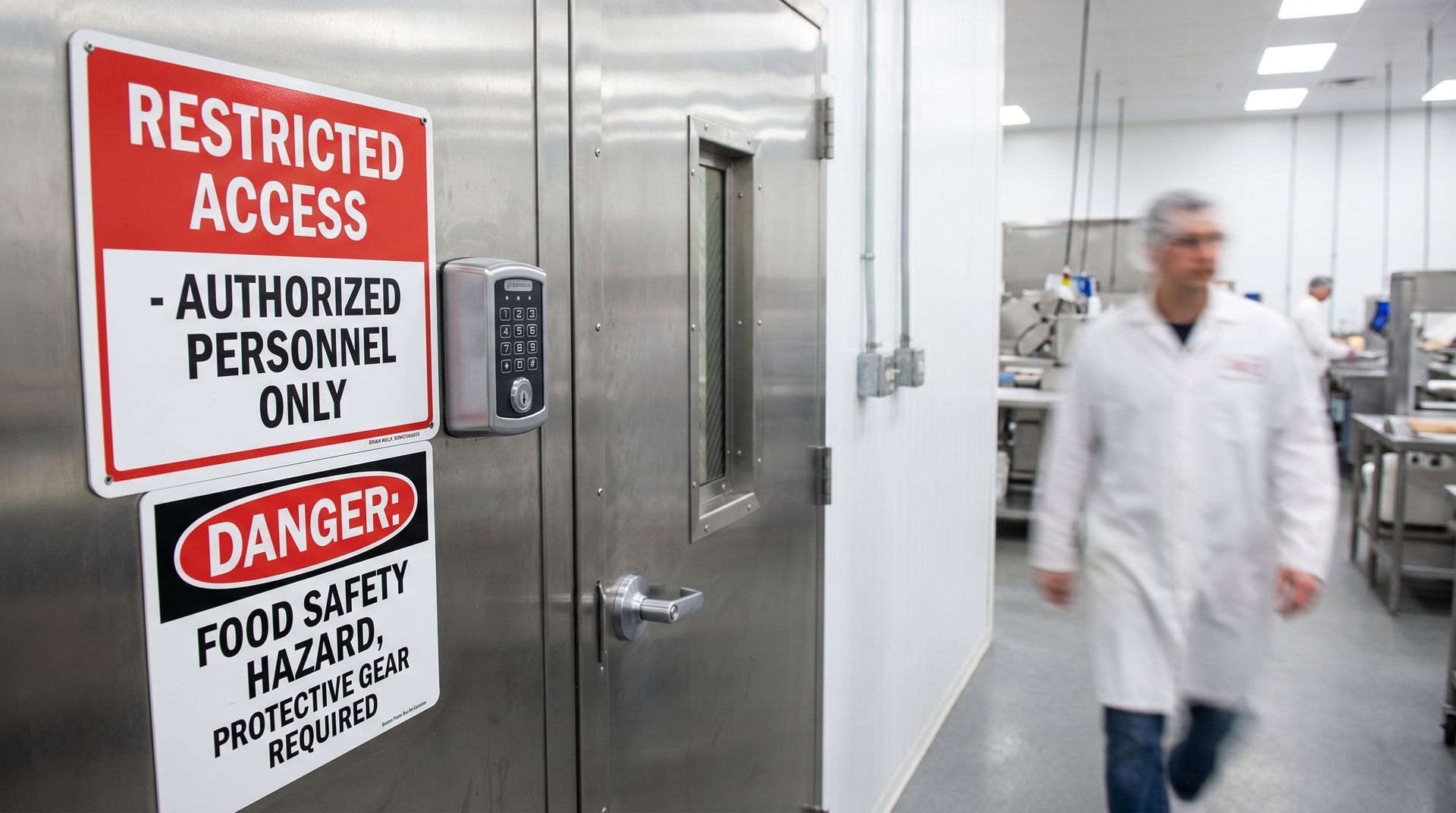
What FDA inspectors evaluate during a facility walkthrough is not the presence of an armed guard — it's the quality and completeness of physical security documentation. Under FSMA Section 103 Hazard Analysis and Risk-Based Preventive Controls, facilities are required to document the physical controls in place to prevent adulteration, unauthorized access to production areas, and tampering.
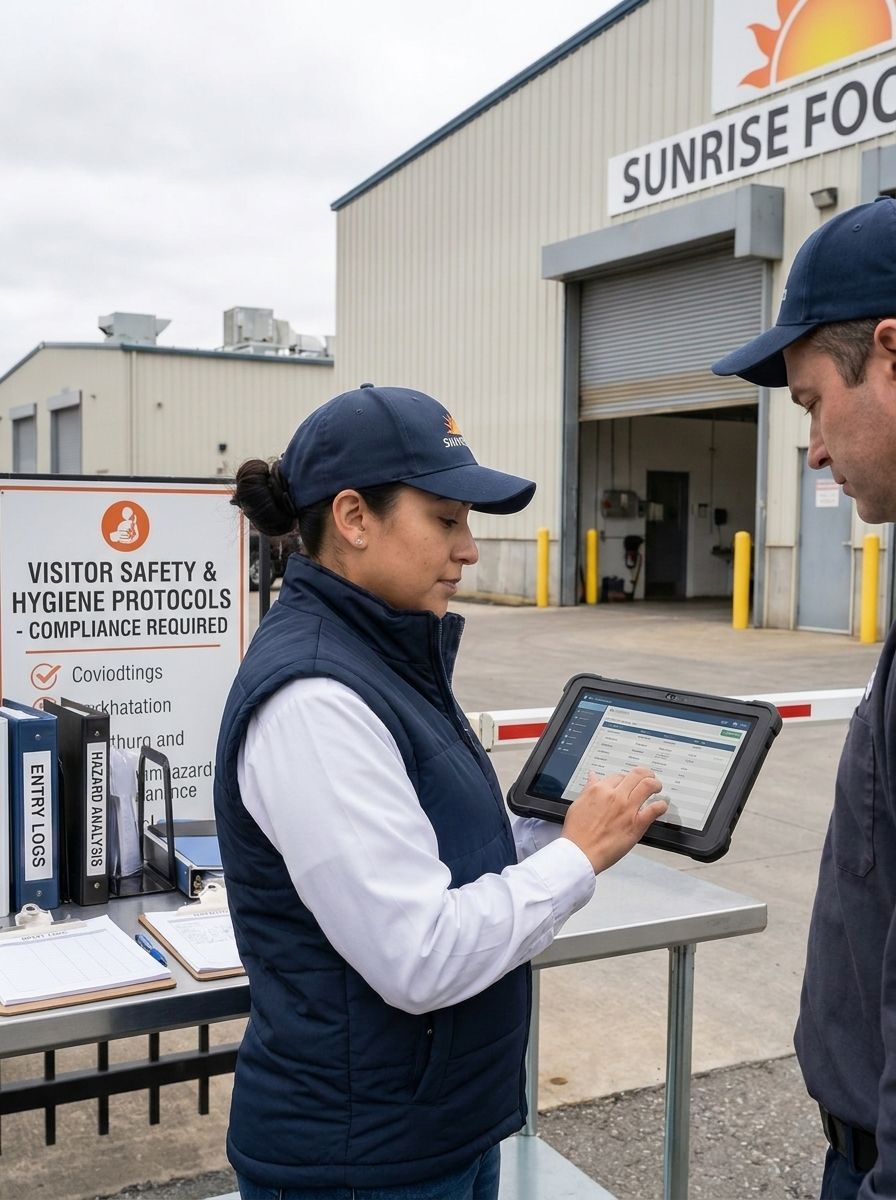
SMP uses TrackTik for all patrol management, checkpoint logging, and incident reporting. Every guard — armed or unarmed — generates timestamped patrol records that meet the
FSMA Preventive Controls documentation standard for physical security. When an FDA inspector asks for your access control log for the past 90 days, that report is a three-click export.
The guard type decision affects your cost profile and deterrence posture — it doesn't change the documentation standard. Both armed and unarmed deployments through SMP generate the same audit-ready paper trail.
Need to match guard type to your compliance requirements?
SMP's free food plant security assessment covers your layout, shift schedule, and FDA documentation needs. (605) 334-9357 or smpsecurity.com/contact
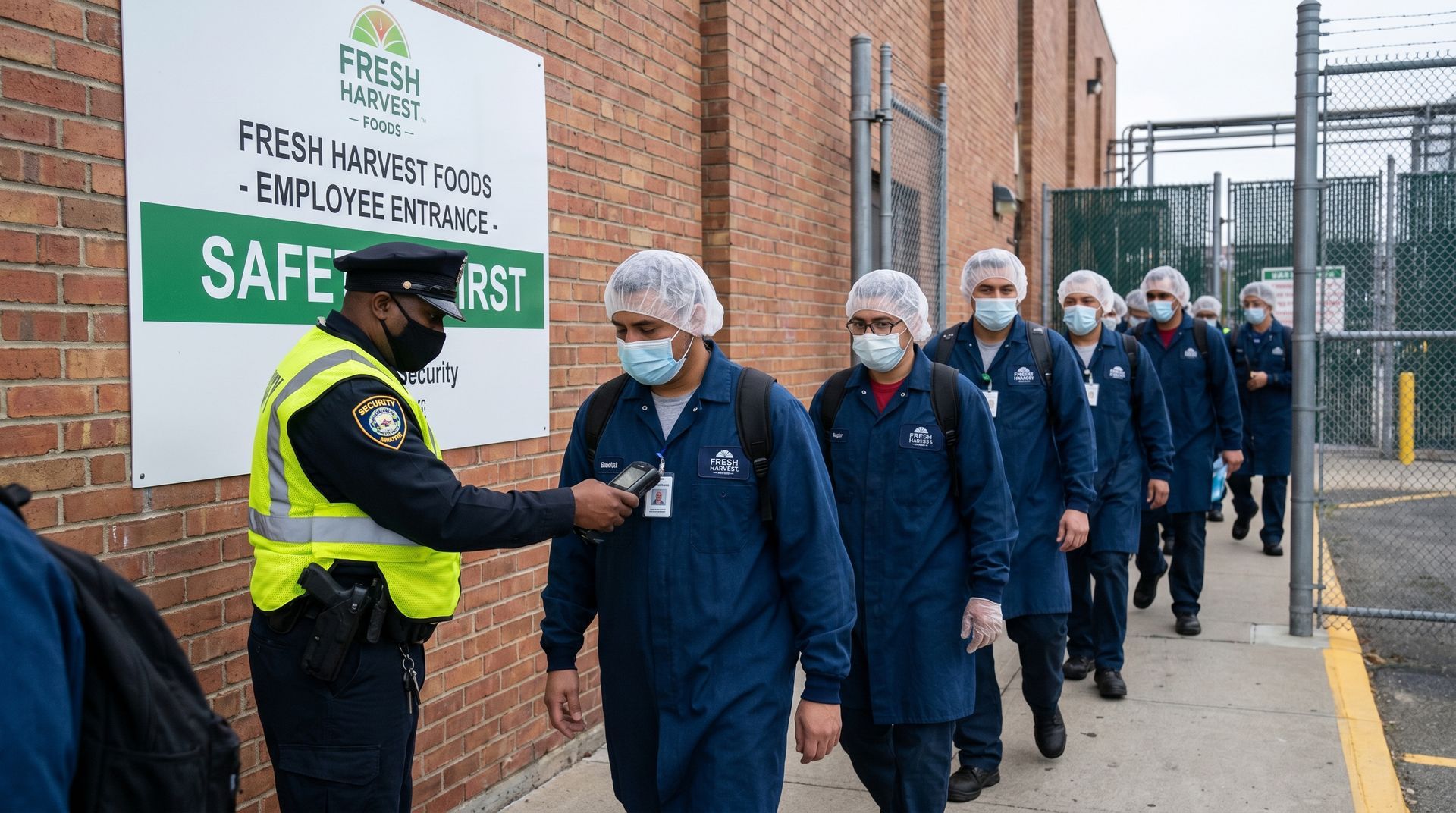
Choosing Based on Your Facility Type and Shift Schedule
Guard type selection maps directly to facility profile. Here's how it breaks down for the most common food plant configurations in the Sioux Falls area.
Large-footprint food processing — 24-hour operations
Multi-shift food processors running continuous operations benefit from armed guards at designated perimeter access points during low-staffing windows, with unarmed guards handling access control and production floor monitoring during peak hours. Mobile patrol rounds supplement coverage between guard posts. TrackTik logs every transition.
Mid-size food packaging — single or double shift
Packaging facilities operating a single or double shift with defined entry points and active supervisory coverage during all production hours typically run well with unarmed guards at entry points and TrackTik-logged patrol rounds during non-production hours. Cost profile is significantly lower than armed deployment with equivalent audit documentation.
Food distribution and warehouse operations
Warehouse and distribution operations face different risks than production floors — cargo theft, loading dock vulnerability, and vehicle access at shift transitions are the primary concerns. SMP's warehouse security program addresses these scenarios specifically, with mobile patrol options for large distribution footprints where full guard staffing isn't cost-effective.
High-value or regulated inventory
Cannabis-adjacent operations, pharmaceutical distribution, or any facility handling controlled ingredients require access control systems and armed guard coverage at regulated access zones. This is one scenario where the guard type decision directly affects your compliance standing — not just your deterrence posture.
The guard type question doesn't have a universal answer — it has a right answer for your specific facility. SMP's free food plant security assessment covers your layout, shift schedule, compliance requirements, and budget, then recommends coverage that holds up under FDA scrutiny. A Sioux Falls-based team with 70+ years of local experience will give you a recommendation built for South Dakota food operations — not a national template.
Every decision you make about physical security now is a document in your next FDA inspection file. Get it right before the inspector arrives — not after.
Review the FSMA full text for the specific documentation requirements your facility must meet.
Not sure which guard type fits your facility?
Get a free food plant security quote in Sioux Falls — SMP will recommend coverage based on your layout and compliance requirements. (605) 334-9357 or smpsecurity.com/contact
Frequently Asked Questions
How much do food plant security guards cost in Sioux Falls, SD?
A. Unarmed food plant security guards in Sioux Falls start at $25/hour with a four-hour shift minimum — most food manufacturers run 8- to 12-hour coverage windows. Armed guard rates are quote-based and depend on certifications, shift timing, and contract duration. SMP Security offers discounted rates for multi-site and long-term contracts. Contact SMP at (605) 334-9357 for a quote built around your specific facility and schedule.
Does my Sioux Falls food facility need armed or unarmed guards for FDA compliance?
A. FDA compliance under FSMA does not mandate armed guards — it requires documented physical security controls and access records. Both armed and unarmed guards deployed through SMP Security generate TrackTik-logged patrol records that satisfy FSMA documentation requirements. Guard type is a deterrence and risk-profile decision; documentation quality is what matters to FDA inspectors.
What does a food plant security guard do at a Sioux Falls facility?
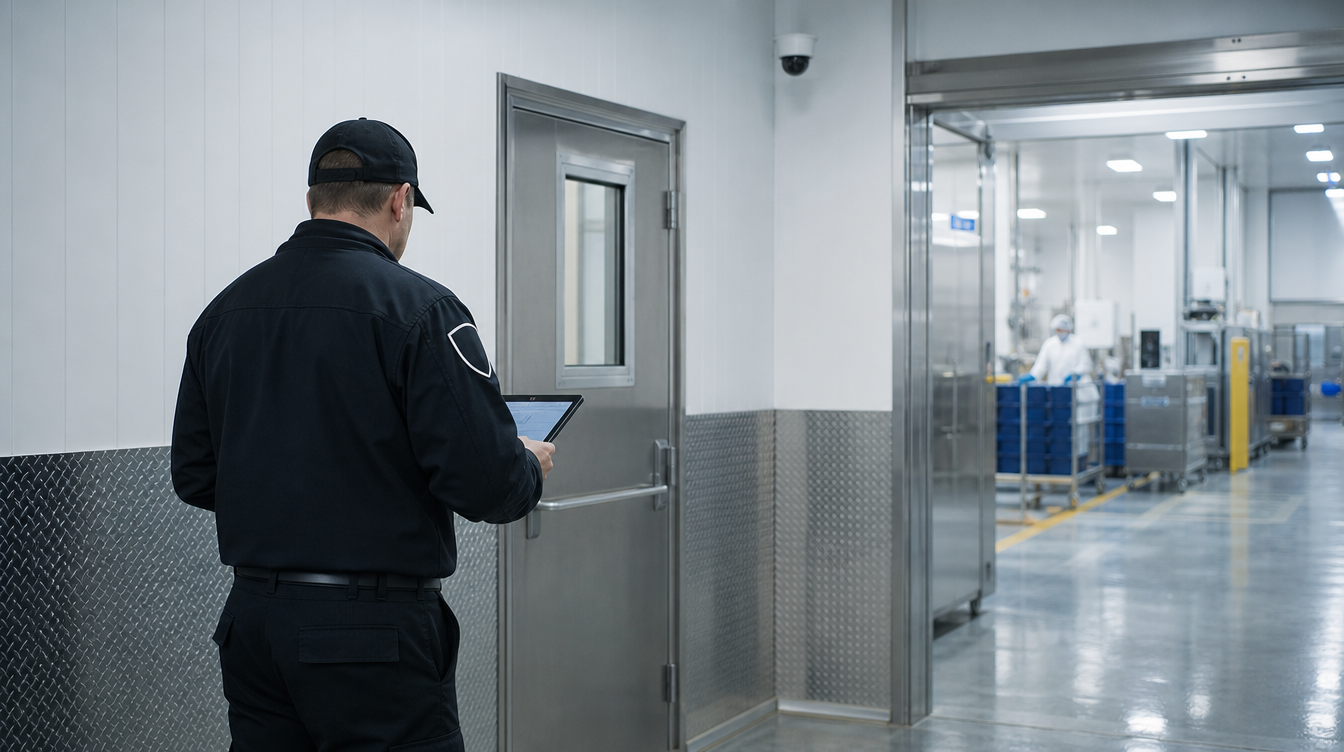
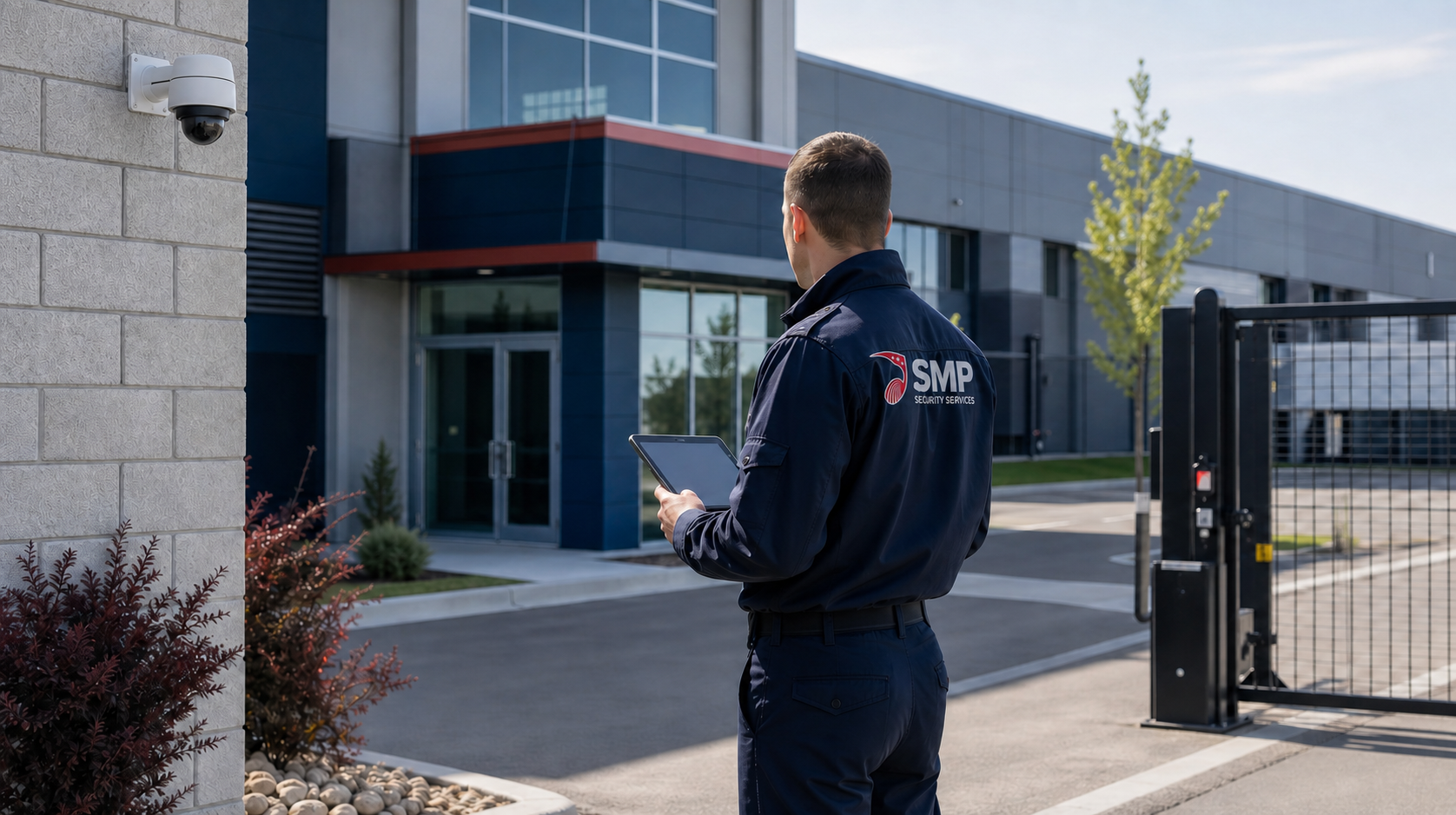
A. Food plant security guards in Sioux Falls control access to production and restricted zones, document shift-change entries and exits, conduct perimeter checks logged through TrackTik, and respond to unauthorized access events. In FDA-regulated environments, they also generate the time-stamped records that serve as your physical security audit trail. SMP Security provides both stationed and mobile patrol guard options for food manufacturing facilities.
What's the difference between armed and unarmed guards for food production facilities?
A. Armed guards provide a stronger deterrent at high-risk access points — perimeter entry during low-staffing windows, regulated inventory zones, and facilities with documented unauthorized access history. Unarmed guards handle standard access control, shift-change documentation, and general perimeter monitoring at a lower cost. Both generate identical TrackTik audit trails. For most Sioux Falls food manufacturers, unarmed guards provide full compliance coverage.
How does SMP Security document food plant security guard activity for FDA inspections?
A. SMP Security uses TrackTik for all patrol management, checkpoint logging, and incident reporting across food manufacturing clients in Sioux Falls, SD. Every guard — armed or unarmed — generates timestamped patrol records tied to specific access points and facility zones. These records can be exported as a time-stamped audit trail on demand, satisfying the physical security documentation requirements under FSMA Section 103 Hazard Analysis and Risk-Based Preventive Controls. SMP has served food and industrial facilities in the Sioux Falls area for 70+ years and maintains internal training standards that exceed South Dakota's current (non-mandatory) security licensing framework.
Does South Dakota require security guard licensing for food plant security personnel?
A. South Dakota currently has no mandatory state licensing requirement for security companies or individual guards — a regulatory gap that makes internal training standards the only real differentiator between providers. SMP Security maintains rigorous internal training protocols regardless of state mandate, specifically to meet the documentation and professionalism standards required by food facility clients operating under FDA oversight. SMP also holds a Minnesota state security license, which is actively displayed on smpsecurity.com. For food manufacturers evaluating guard providers in Sioux Falls, SD, training documentation and TrackTik reporting capability are the questions to ask.
What access control requirements does FSMA place on food manufacturing facilities in South Dakota?
A. FSMA Section 103 — the Hazard Analysis and Risk-Based Preventive Controls rule — requires food manufacturers to identify and document physical security controls that prevent unauthorized access to production areas, ingredient storage, and high-risk zones. This includes access logs, documented guard deployment, and records of security events. SMP Security's TrackTik platform generates exactly this documentation for food plant clients in Sioux Falls, SD, providing timestamped entry records, patrol checkpoint logs, and incident reports that align directly with FDA inspection expectations. Facilities without documented physical security controls face citation risk during reinspection under FSMA's 5-year rolling inspection schedule.